
Introducing the features and appeal of the National Parks of Japan, the brand promise, and all 35 national parks.
Features
Stories to experience ― National Parks of Japan ―
National parks in Japan are characterized not only by their outstanding nature, but also by the unique local lifestyles of the people, including the traditional culture and food nurtured by that nature.
The diverse natural scenery and the condensed stories of life, culture, and history will give you a one-of-a-kind experience that you will never forget.

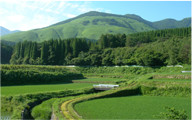


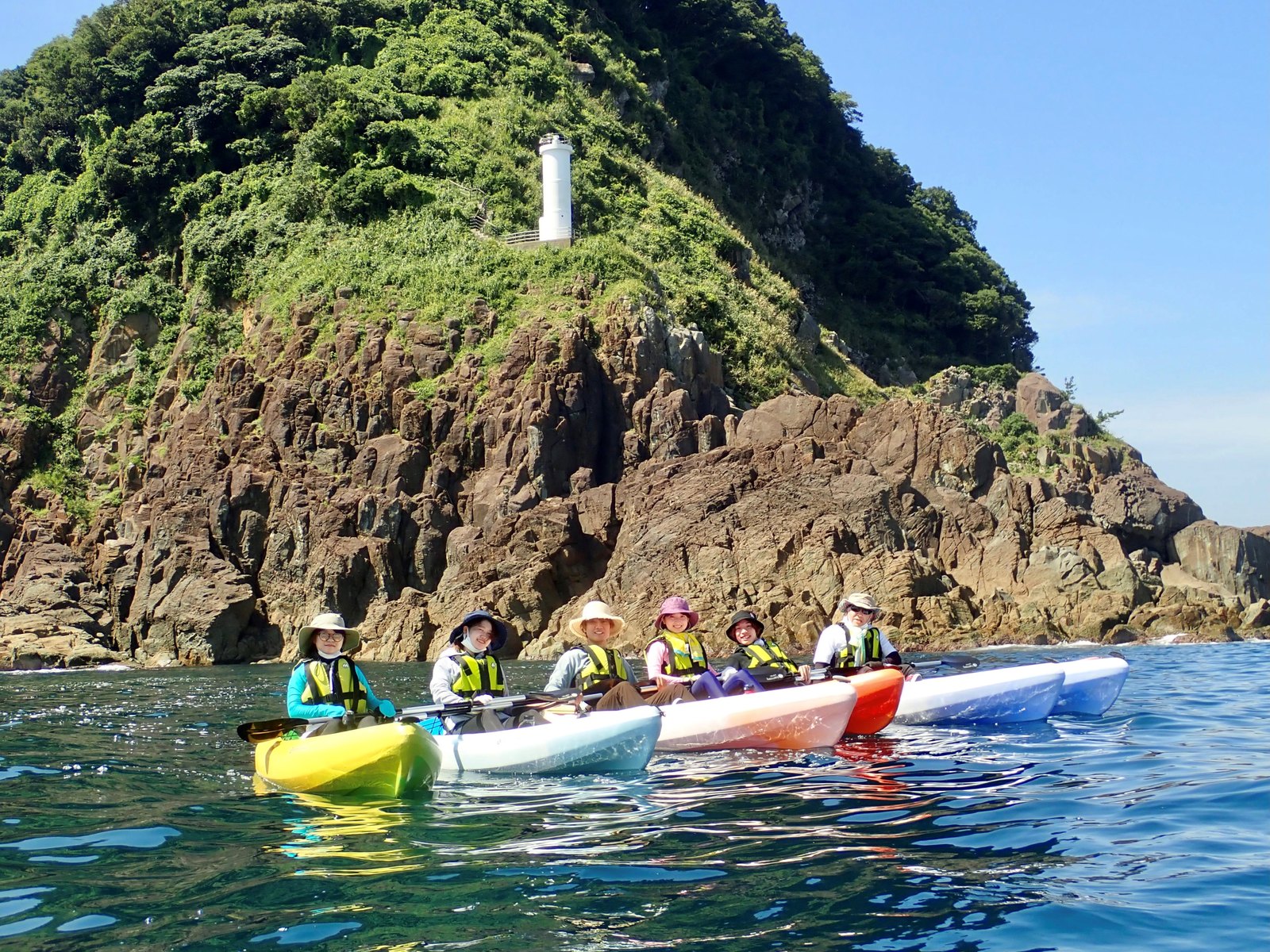
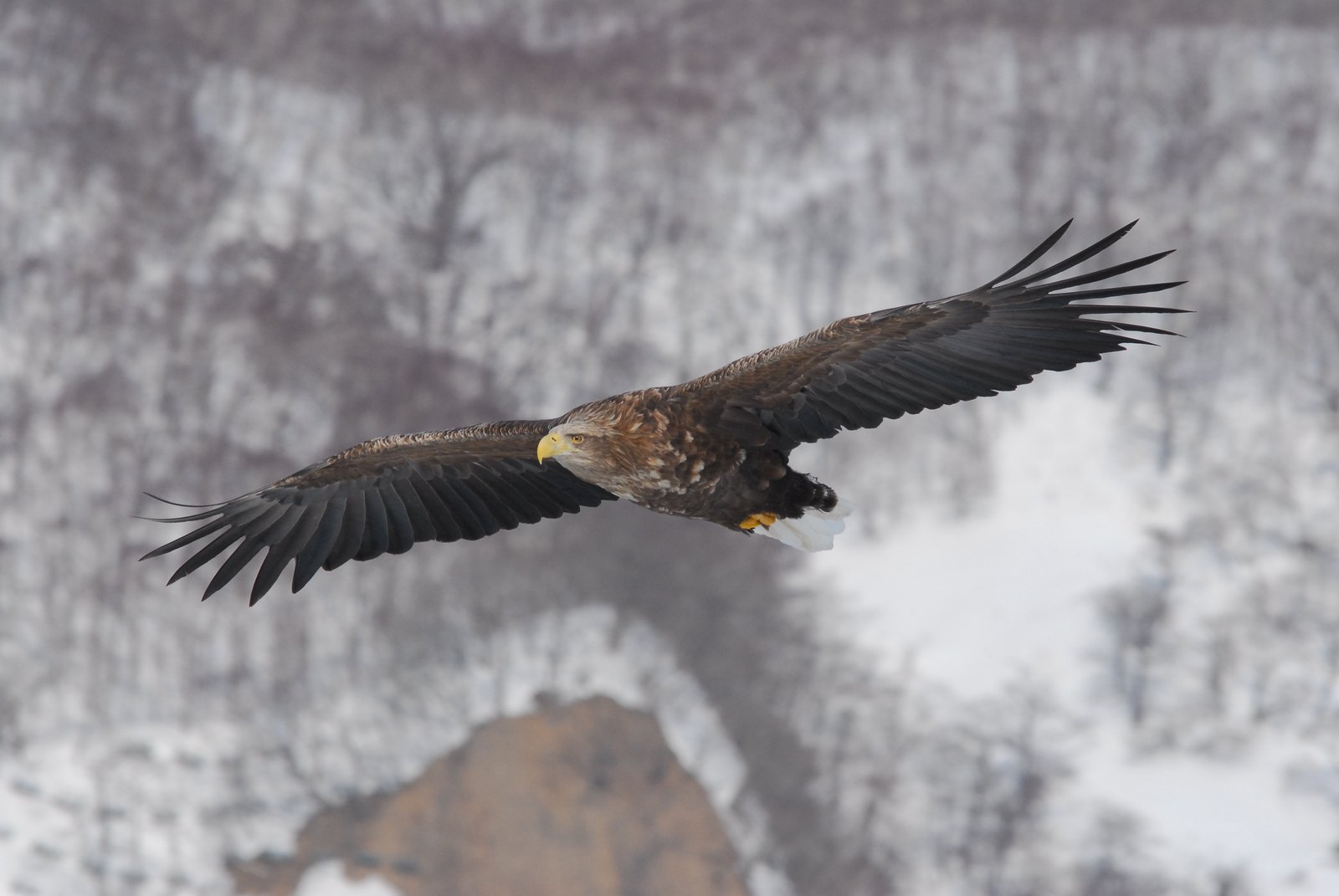
The National Parks of Japan
National parks are representative scenic areas of Japan designated by the national government under the Natural Parks Act. Japan adopts a system of zoned park designation regardless of land ownership, so the parks also include much private land. There are 35 parks nationwide, from Hokkaido in the north to Okinawa and the Ogasawara Islands in the south, covering about 6.5% of the national land and welcoming more than 300 million visitors a year. Blessed with abundant water and volcanic activity, and cared for by human hands, the parks maintain ecosystems and natural environments that are home to some 7,000 species of plants, more than 1,000 species of animals, and 70,000 to 100,000 species of insects.
Some parks include farmland and villages, where visitors can encounter the history, traditions, and culture of each area. Japan's national parks are places to experience both the magnificent nature created by the natural environment and the culture unique to each region.
The first three national parks ― Setonaikai, Unzen, and Kirishima ― were designated in March 1934, and in 2024 Hidakasanmyaku-Erimo-Tokachi National Park was designated as the 35th national park.
Rich diversity
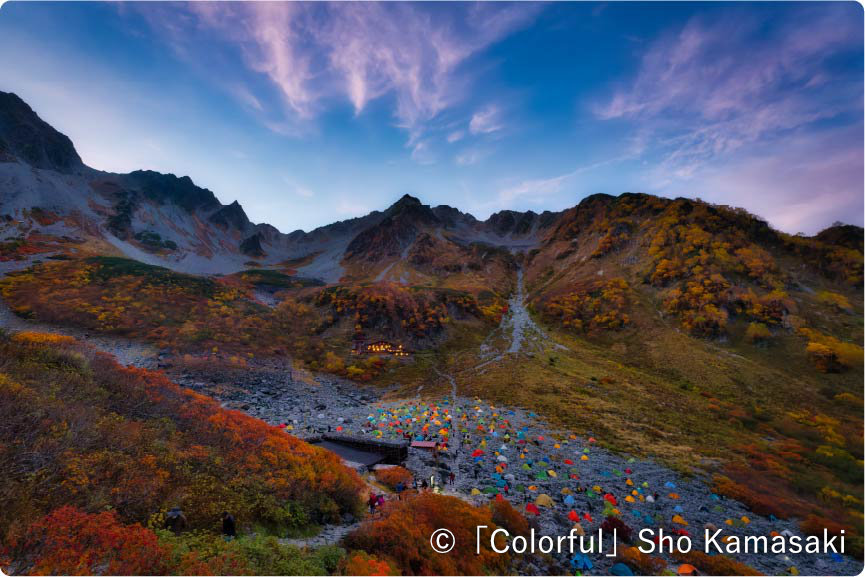
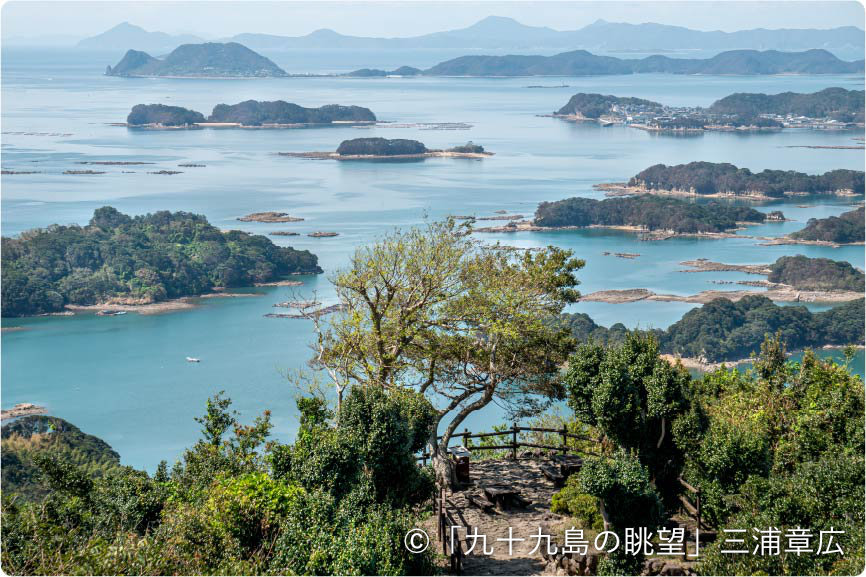
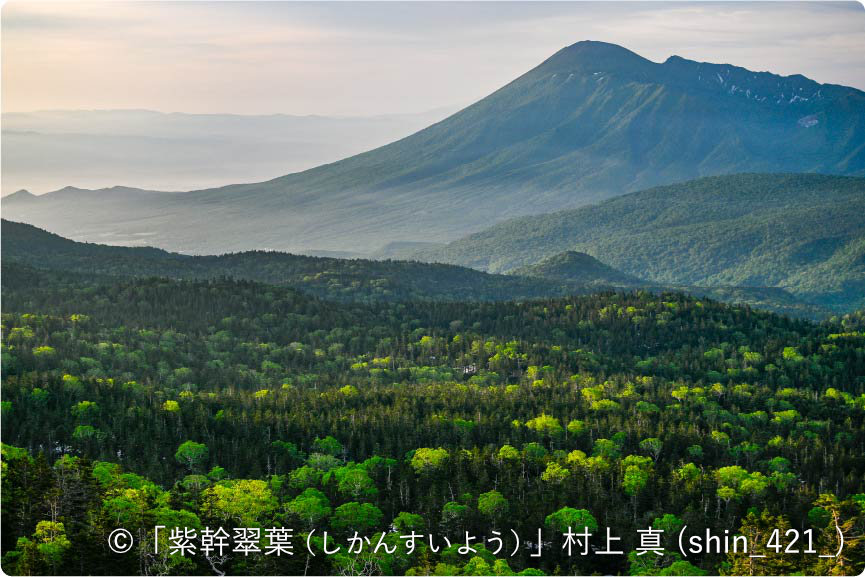
Chubusangaku / Saikai / Towada-Hachimantai National Parks
Japan stretches far from north to south, with climate zones ranging from subarctic to subtropical, and it is home to an exceptionally rich variety of plants and animals that have adapted to these environments. Over their long history, places with many different characters have been designated as national parks ― from highly pristine nature such as mountains, to famous and historic sites, satochi and satoyama landscapes close to people's daily lives, seascapes, and wetlands. By visiting the parks and experiencing nature comprehensively with all five senses, not only sight, visitors contribute greatly to the conservation of the natural environment and biodiversity.
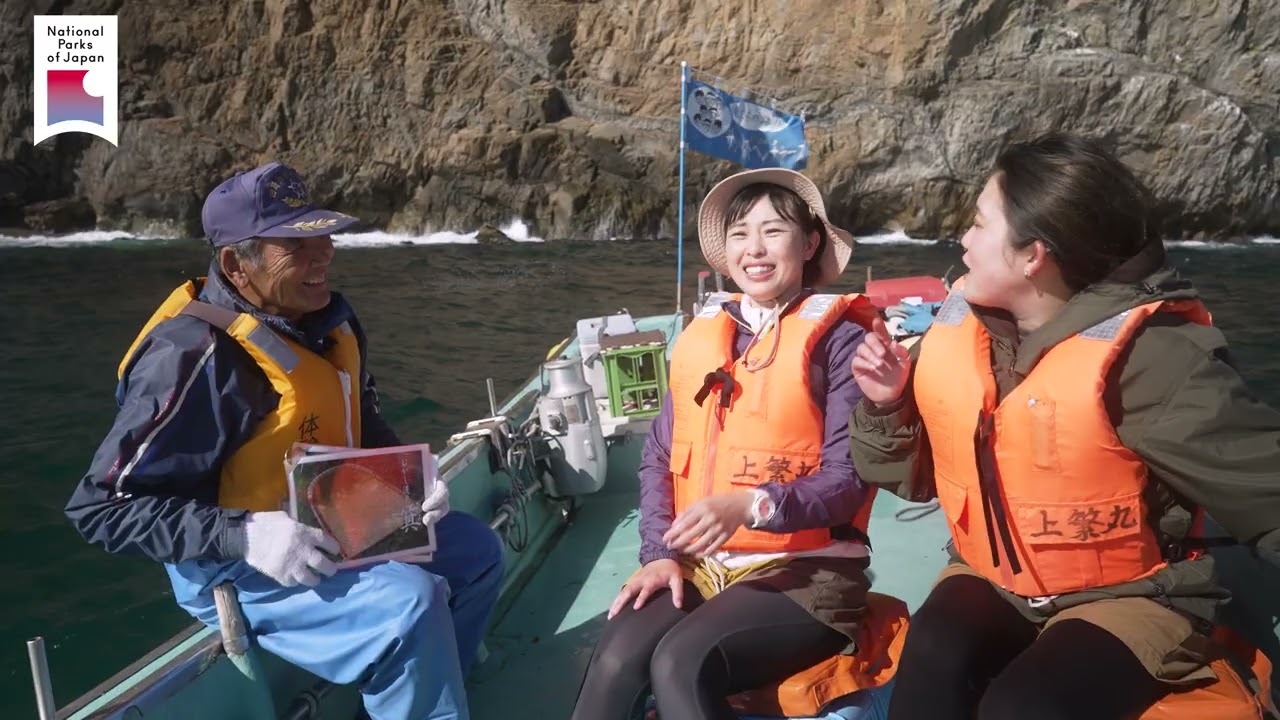
Stories born of history and culture
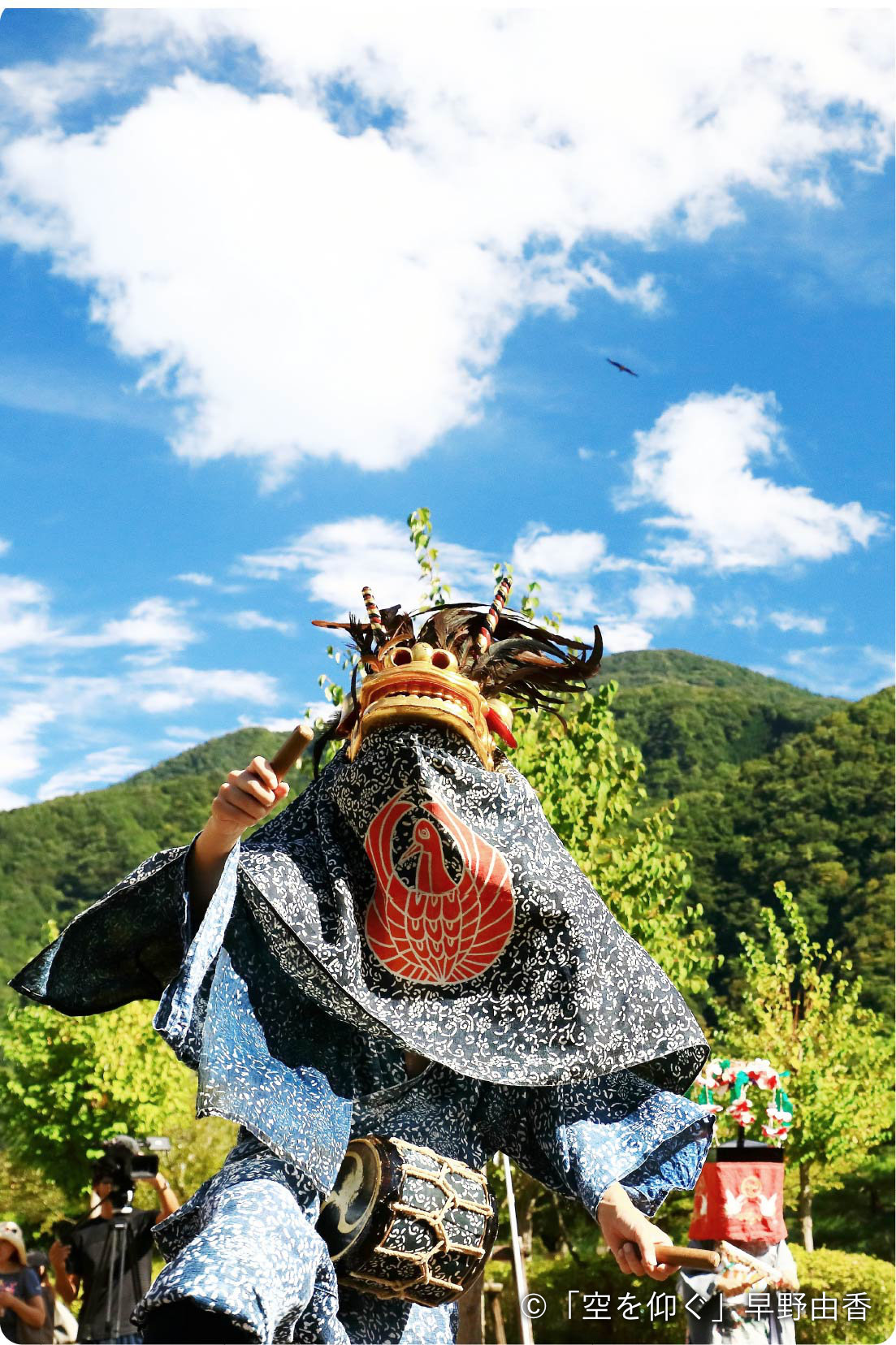
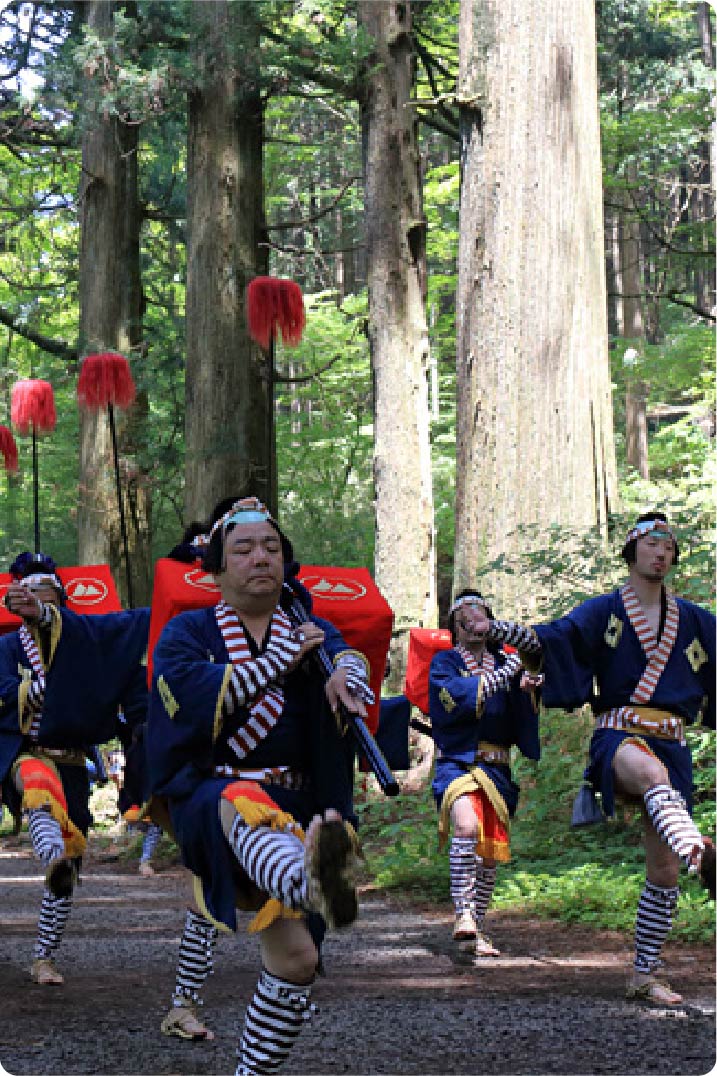

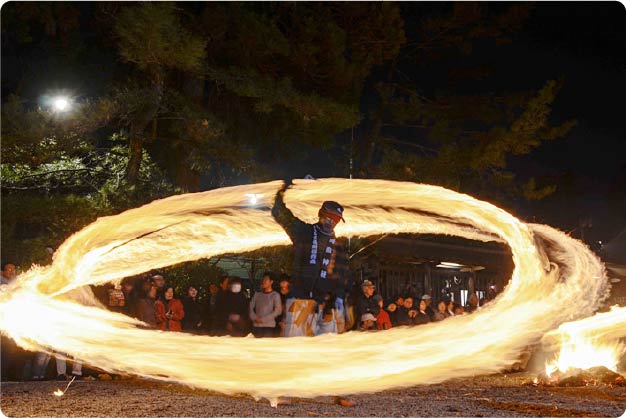
Japan's national parks are places where nature and human activity coexist. They hold histories woven together by local people and nature, and cultures handed down through generations ― experiences to be taken in with your eyes and ears, and through food.
Brand Promise
Introducing the brand promise and branding activities of the National Parks of Japan.
 Brand promise and branding activities of the National Parks of Japan
See the brand site (Japanese) →
National Parks of Japan (all 35 parks)
For details of each national park, please visit its official page.
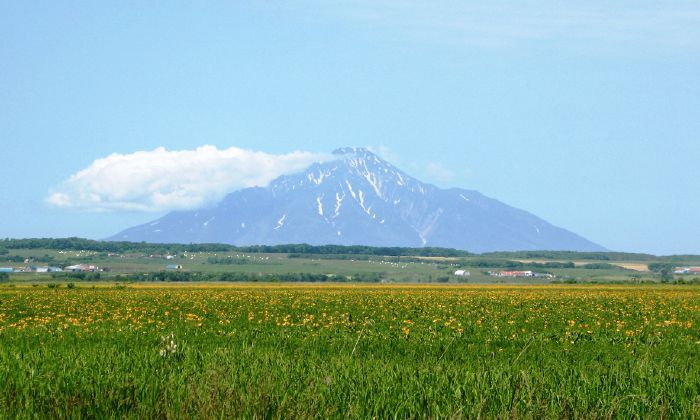 Rishiri-Rebun-Sarobetsu National Park
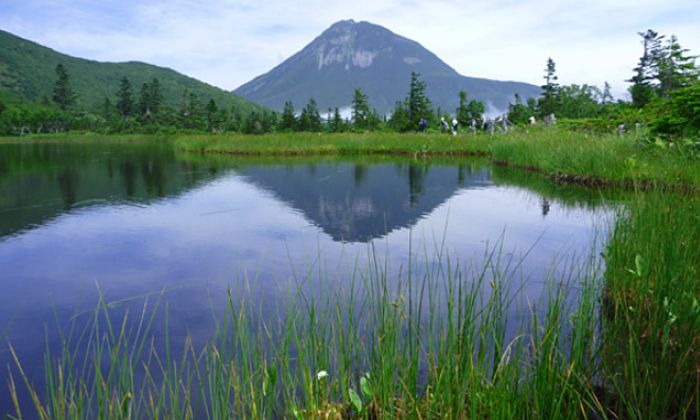 Shiretoko National Park
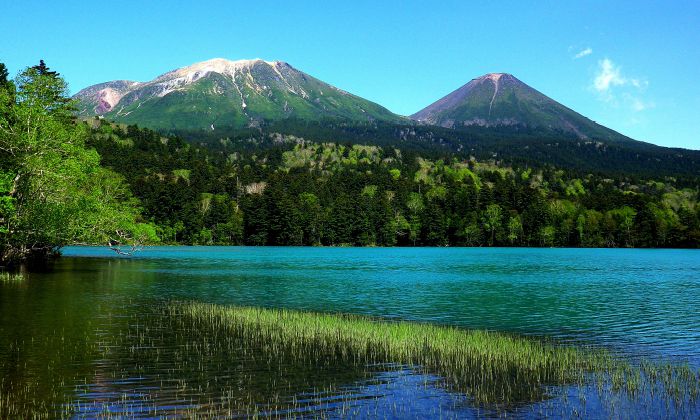 Akan-Mashu National Park
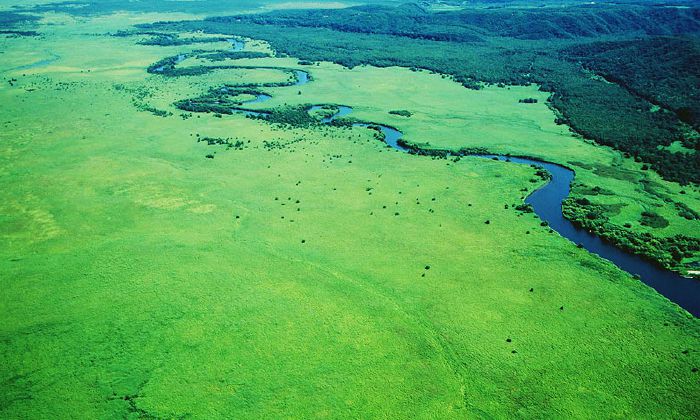 Kushiroshitsugen National Park
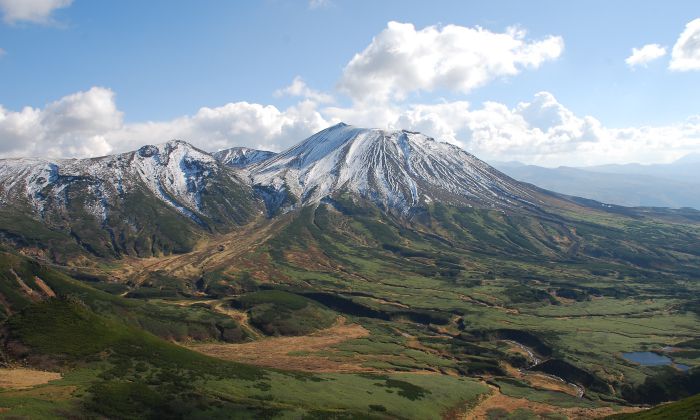 Daisetsuzan National Park
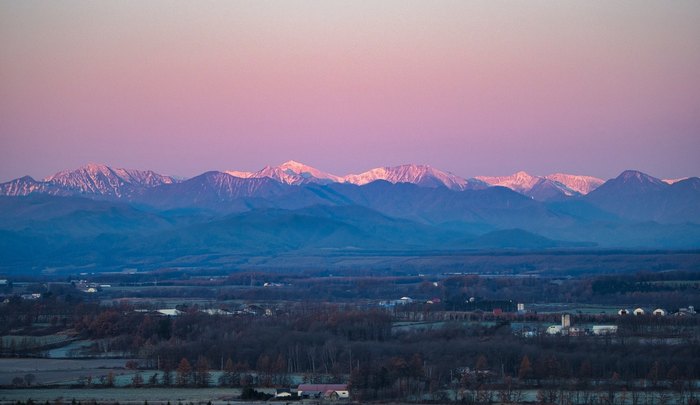 Hidakasanmyaku-Erimo-Tokachi National Park
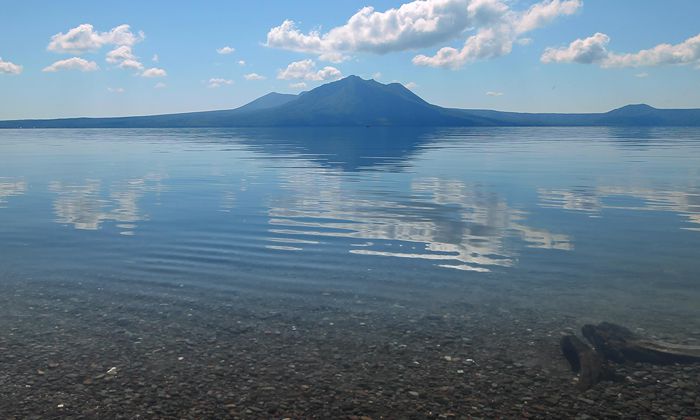 Shikotsu-Toya National Park
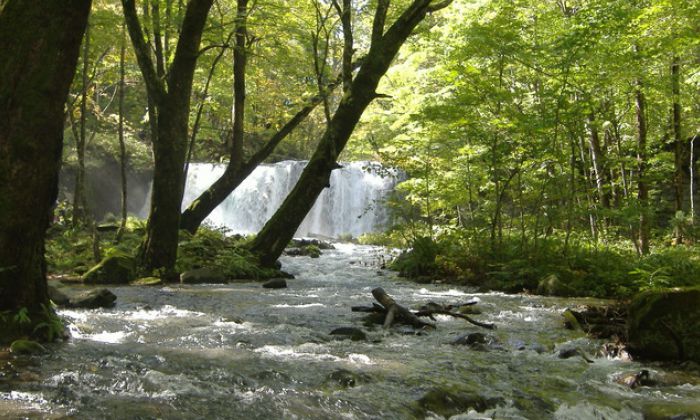 Towada-Hachimantai National Park
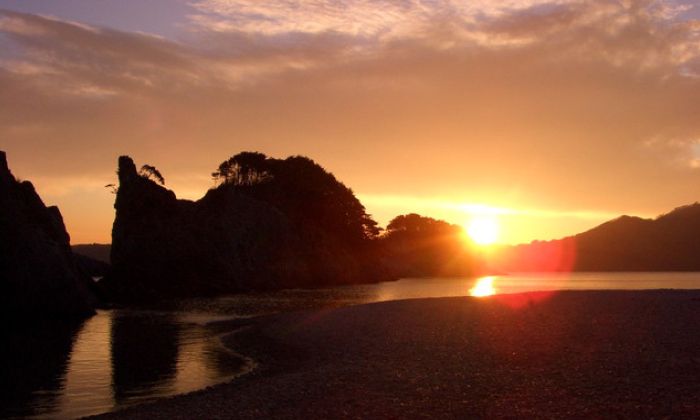 Sanriku Fukko (reconstruction) National Park
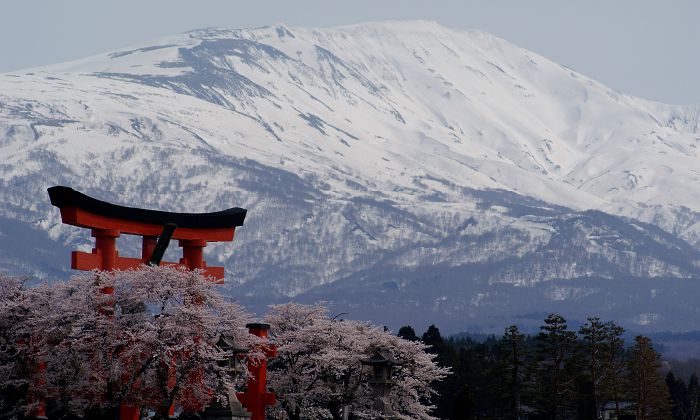 Bandai-Asahi National Park
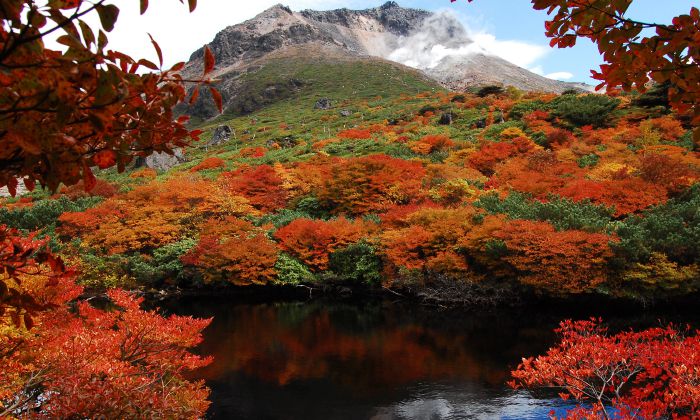 Nikko National Park
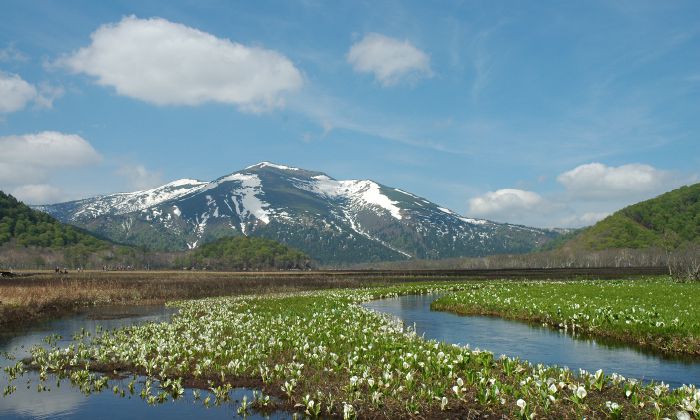 Oze National Park
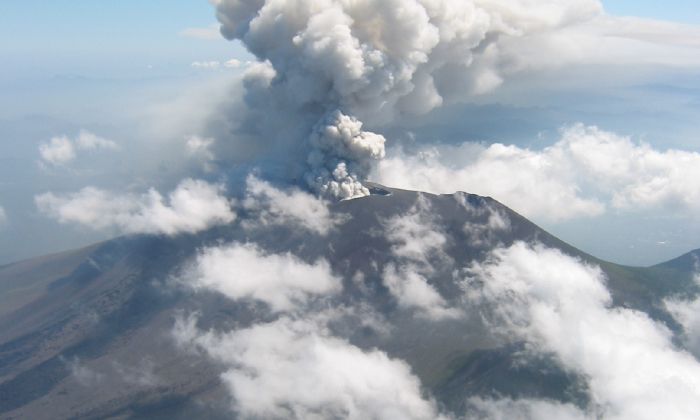 Joshin'etsukogen National Park
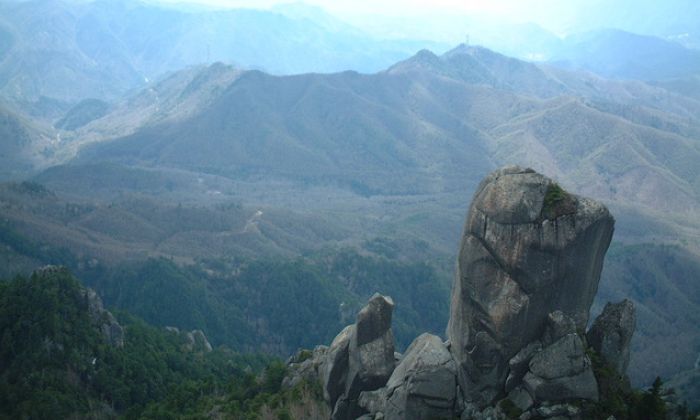 Chichibu-Tama-Kai National Park
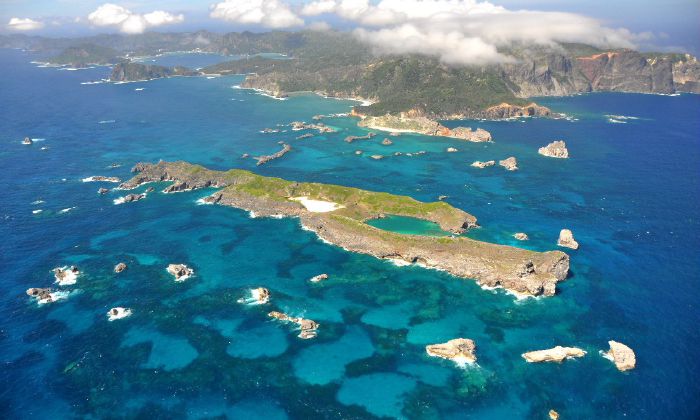 Ogasawara National Park
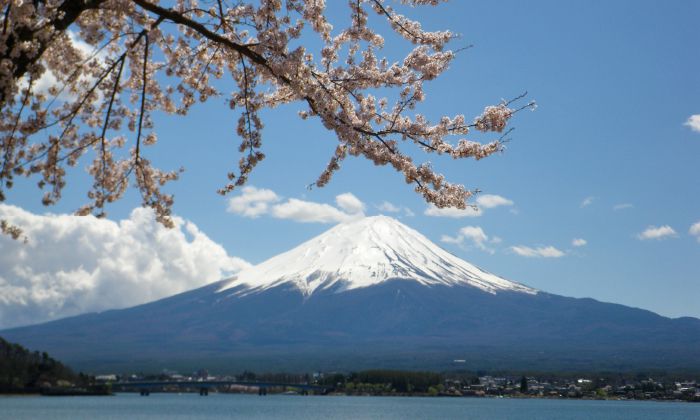 Fuji-Hakone-Izu National Park
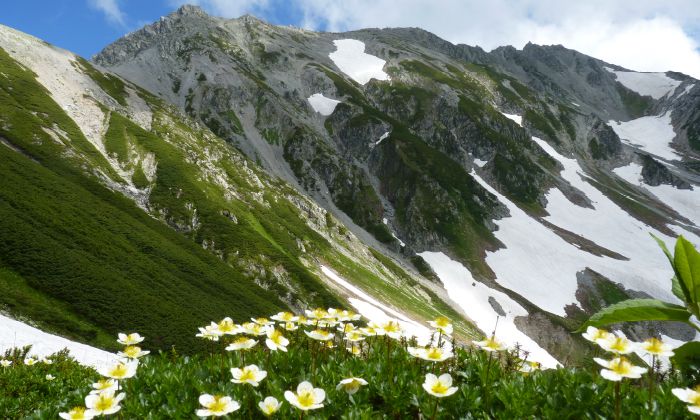 Chubusangaku National Park
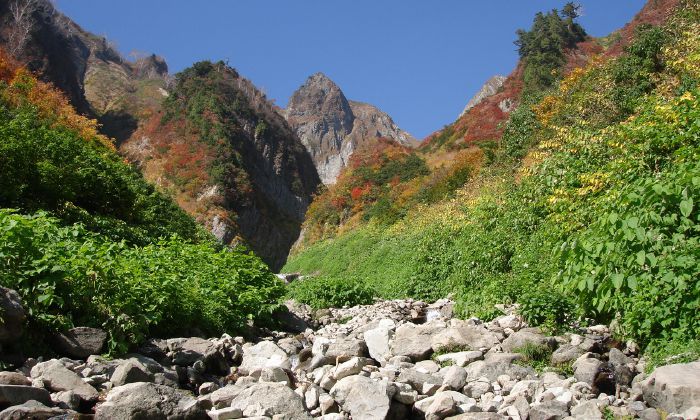 Myoko-Togakushi renzan National Park
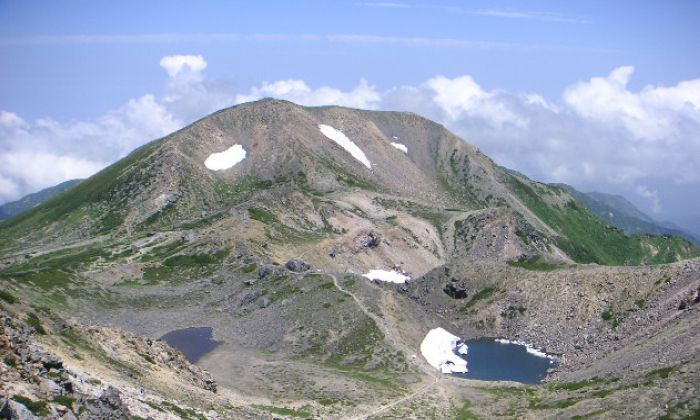 Hakusan National Park
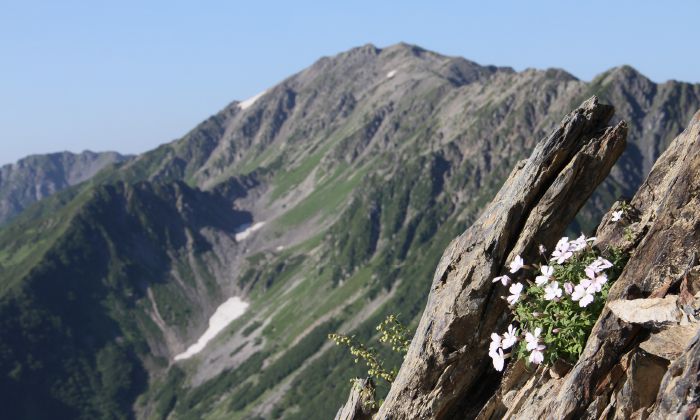 Minami Alps National Park
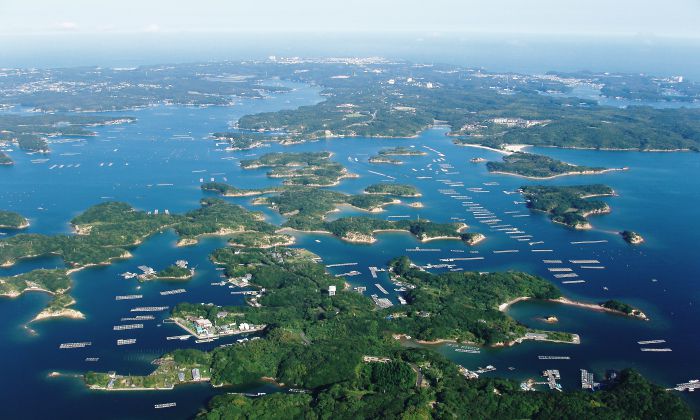 Ise-Shima National Park
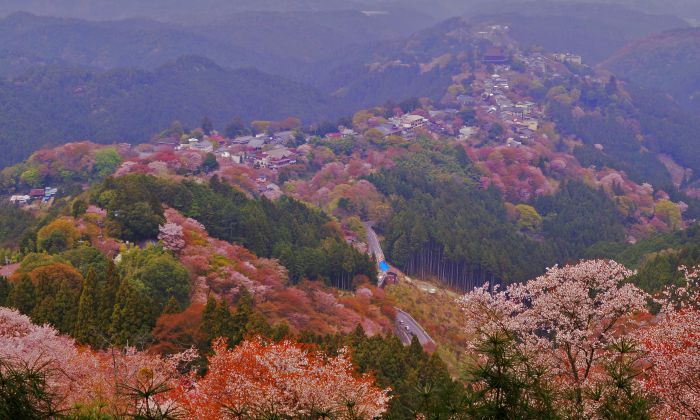 Yoshino-Kumano National Park
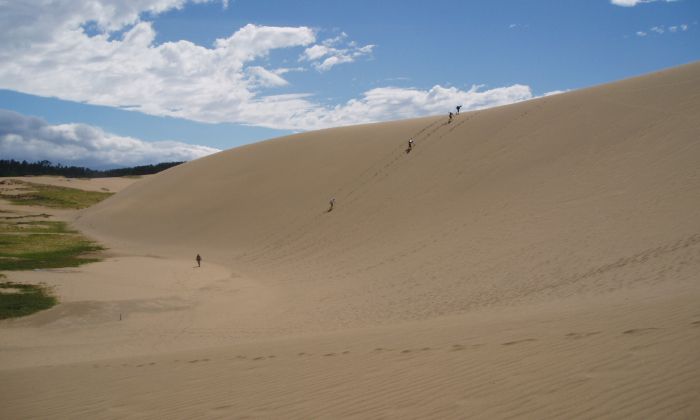 San'inkaigan National Park
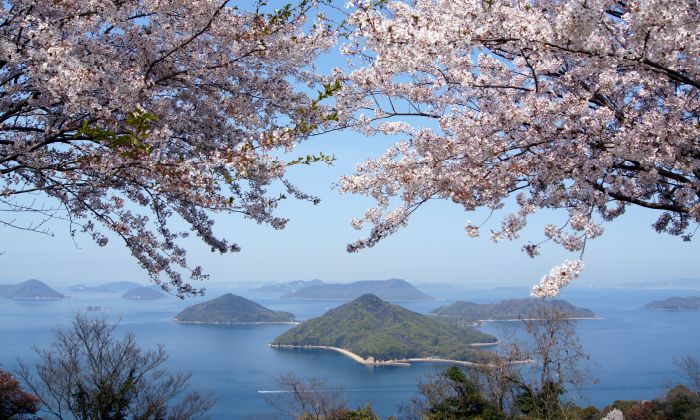 Setonaikai National Park
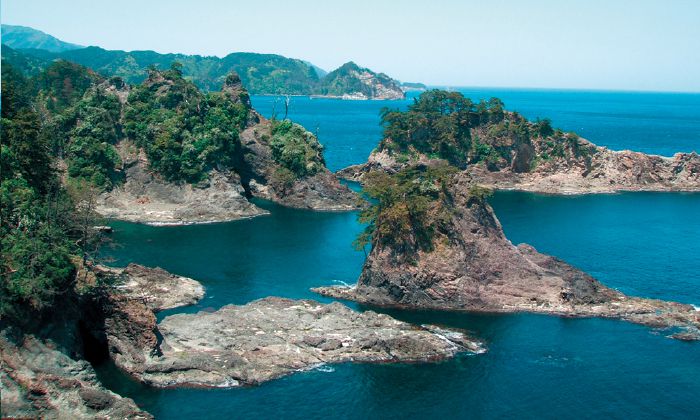 Daisen-Oki National Park
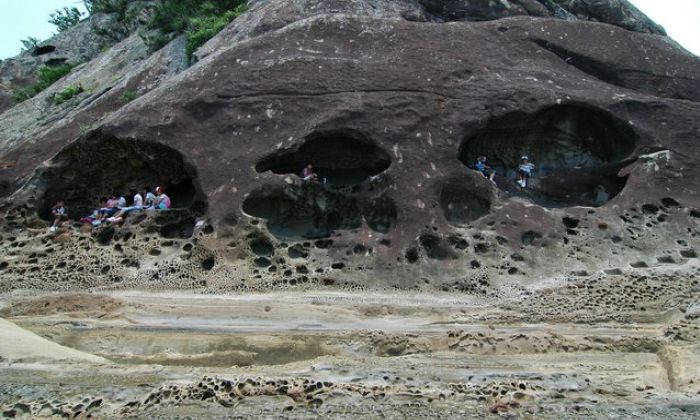 Ashizuri-Uwakai National Park
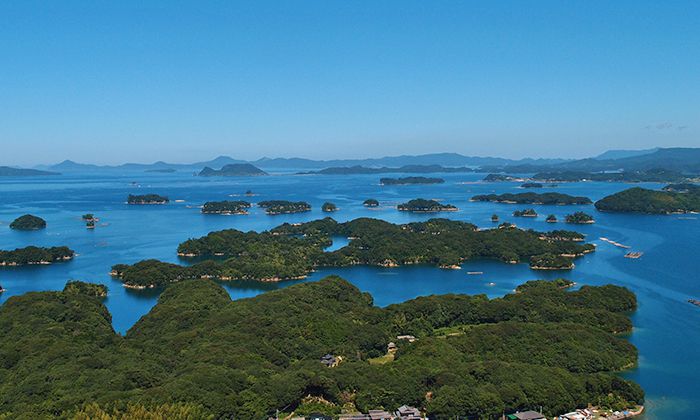 Saikai National Park
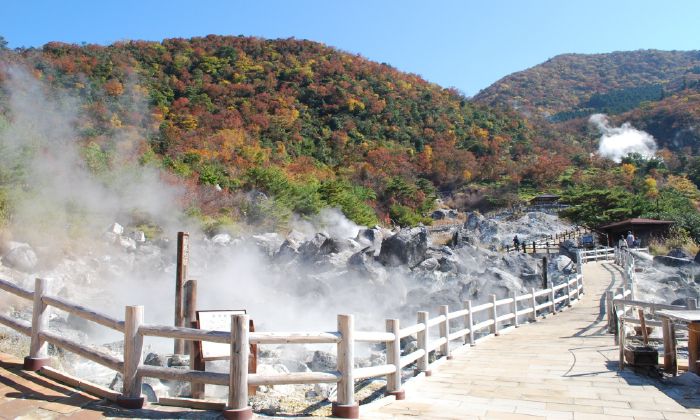 Unzen-Amakusa National Park
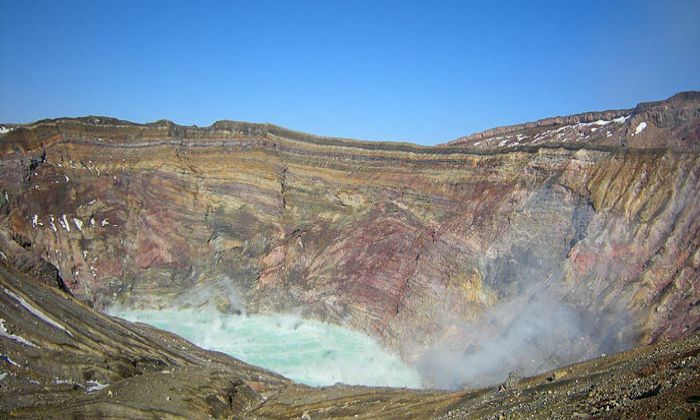 Aso-Kuju National Park
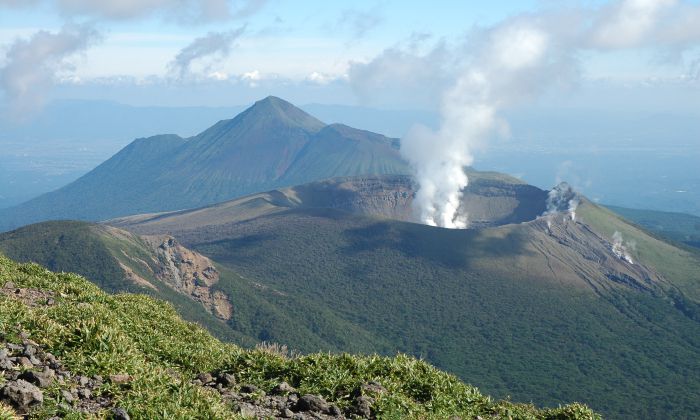 Kirishima-Kinkowan National Park
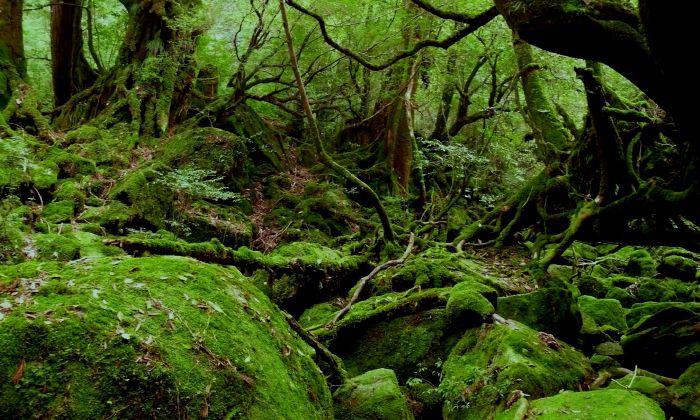 Yakushima (Island) National Park
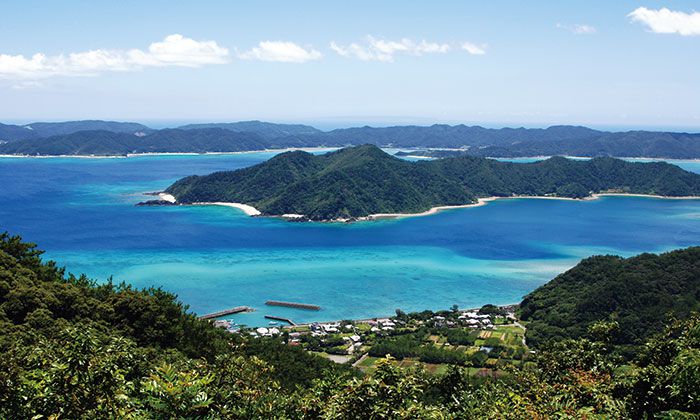 Amamigunto National Park
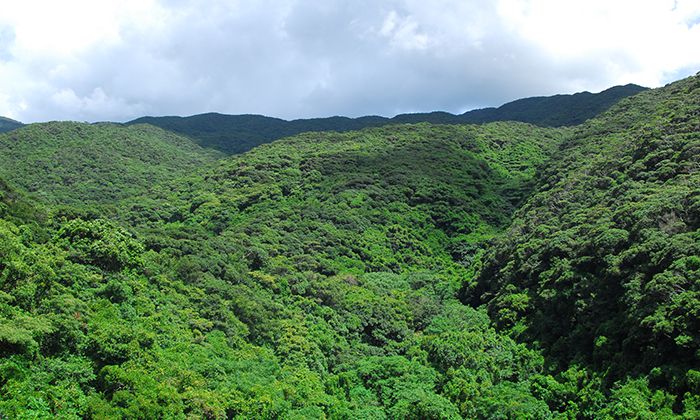 Yambaru National Park
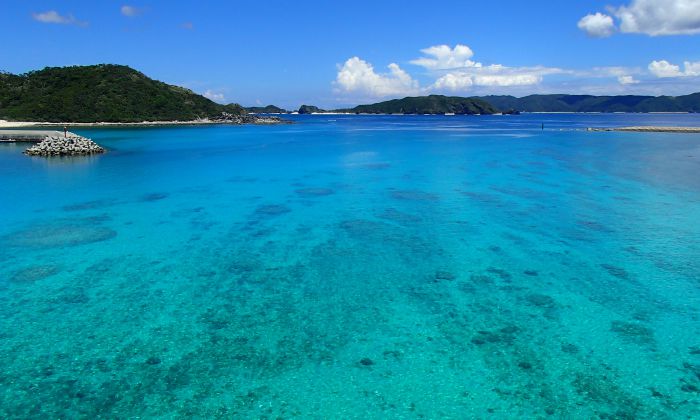 Keramashoto National Park
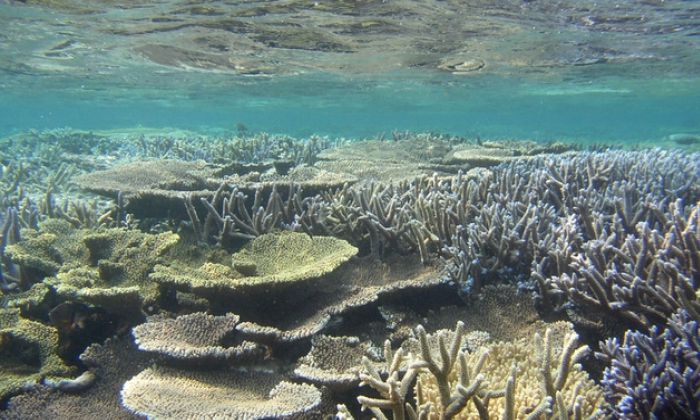 Iriomote-Ishigaki National Park